
Grow Your Own Herbal Apothecary: 6 Easy, Powerful Herbs for Home Gardens
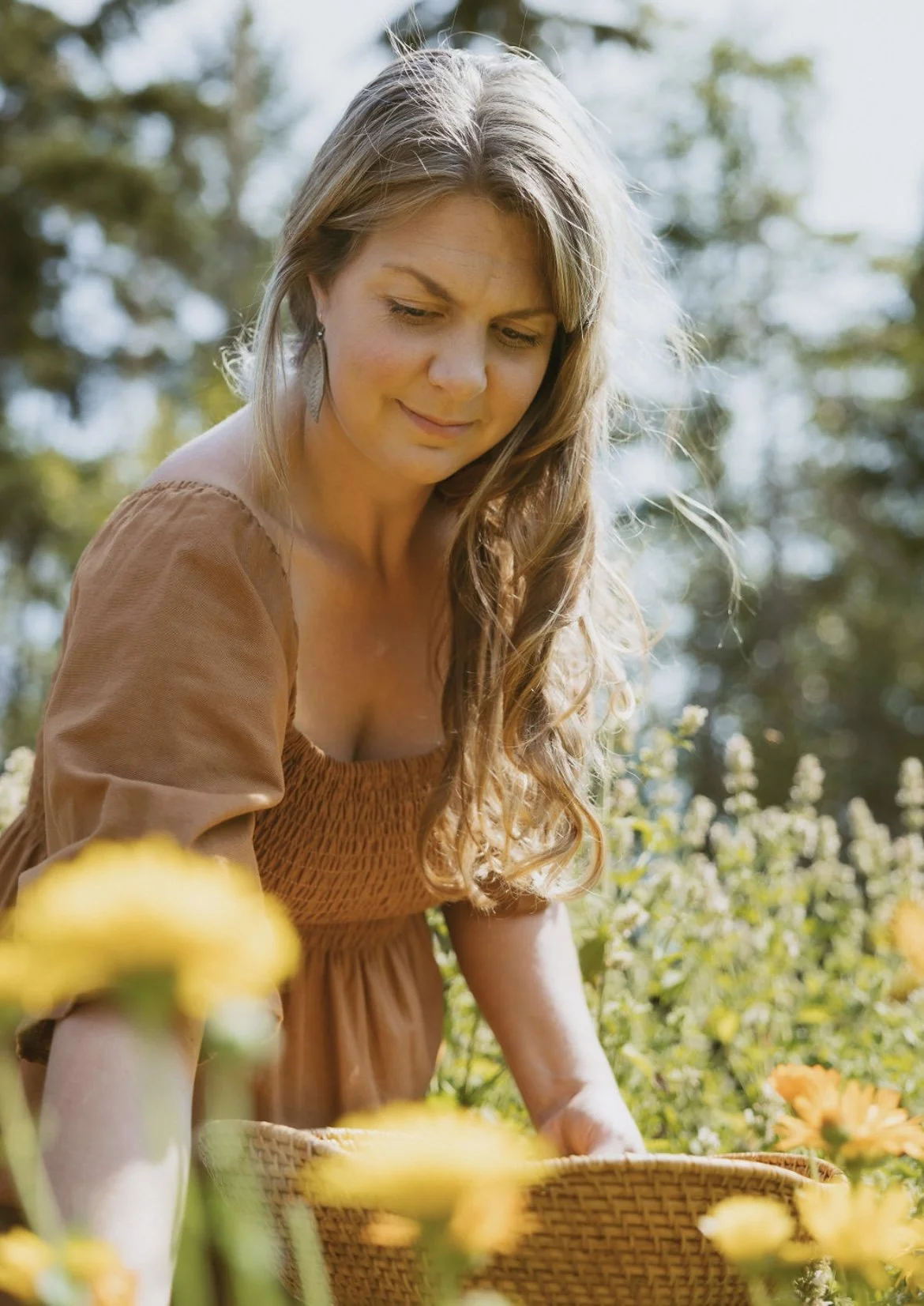
As a naturopathic doctor who honors the roots of our medicine, I find that growing herbal plants, medicines and foods is an important part of staying grounded in healing power of nature. Naturopathic doctors nowadays have a variety of ways that they treat their patients and keeping my hands in the dirt and honouring the cycles of the year keeps me grounded in the philosophies of naturopathic doctors before me. I believe that fresh medicine is more powerful for patients as well as is an opportunity for intention to be placed into the medicine while it grows.
Growing your own herbs is a deeply rewarding way to connect with nature, support your well-being, and empower your family’s health. I have suggested 6 herbs that are all ones that I have grown for several years and love to visit each year. These six herbs are not only easy to grow but also pack a punch when it comes to their uses and benefits. Let’s explore why you’ll want to add mugwort, fennel, marshmallow, chamomile, ashwagandha, and lemon verbena to your home garden.
Mugwort (Artemisia vulgaris)
Uses: Traditionally used to support digestion, ease menstrual discomfort, and promote vivid dreams. Mugwort is also a gentle bitter tonic and can be used in teas or as a culinary herb. This plant has a long connection to the indigenous practices of northern european people and can be a way of connecting with ancestry that has long ago been disconnected from it’s root. As a bitter herb the leaves are dried for tea and help with digestion, they also can be part of a bedtime routine that encourages deep and restorative sleep and vivid dreamtime.
Why Grow It: Hardy and resilient, mugwort thrives in poor soil and requires minimal care. Its silvery leaves add beauty and it’s a pollinator-friendly plant. It is a perennial which means that you don't have to worry once it is established the plant comes back year after year.
Fennel (Foeniculum vulgare)
Uses: Fennel seeds and fronds aid digestion, soothe bloating, and are delicious in salads and teas. The seeds are also a gentle remedy for coughs and colic in children. The flowers are beautiful in arrangements and the seeds are easy to harvest at the end of the season. I use the seeds for teas and medicine to soothe digestion and aid in gas and bloating.
Why Grow It: Fennel is quick to establish, attracts beneficial insects, and offers both culinary and medicinal uses. Its feathery fronds and yellow flowers are a garden highlight. Once established you can cut back at the end of the growing season and you don’t have to do much else.
Marshmallow (Althaea officinalis)
Uses: The roots and leaves are soothing for sore throats, dry coughs, and digestive irritation. Marshmallow is a classic demulcent, easing inflammation and supporting mucous membranes. It takes a few years to grow but once established the roots are a very important herb to use for soothing any dryness in the body, whether that is in the throat, digestive tract or even the urinary tract. It is considered a yin tonic and is nourishing to the parts of our systems that can be overused.
Why Grow It: Marshmallow loves moist soil and is easy to grow from seed. Its soft, velvety leaves and delicate pink flowers add charm to any garden bed. The plants grow very tall and produce bright and cheery flowers that attract pollinators.
Chamomile (Matricaria chamomilla)
Uses: Chamomile is like a warm, calming hug from a wisewoman mother. She is renowned for calming nerves, promoting restful sleep, and easing digestive upset. Chamomile tea is a staple for stress and gentle enough for children.
Why Grow It: Fast-growing and self-seeding, chamomile thrives in containers or garden beds. The cheerful daisy-like flowers attract pollinators and are easy to harvest. It self seeds easily so although it is an annual that
Ashwagandha (Withania somnifera)
Uses: A cornerstone of Ayurvedic medicine, ashwagandha supports stress resilience, energy, and immune health. The roots are commonly used in tinctures or powders and are harvested at the end of the growing season just as the plants start to die back. The roots can be dried or made into tincture. The medicine helps the nervous system to not feel overwhelmed despite high stress.
Why Grow It: Ashwagandha is drought-tolerant and thrives in hot, sunny spots. It’s surprisingly easy to grow from seed, the plants can be transplanted out after starting indoors in the spring. As a member of the nightshade family, (same family as the tomato) you can grow the plants in a similar manner. In our climate they are annuals however in some places of India the ashwagandha plants become perennials.
Lemon Verbena (Aloysia citrodora)
Uses: The fragrant leaves are uplifting, support digestion, and make delicious teas or infusions. Lemon verbena is also calming for the nervous system. This herb smells and tastes so refreshing, it can be dried for tea or added fresh to cold summer drinks like lemonade or mixed drinks that want a floral, lemony taste. It is soothing and calming as well as delicious.
Why Grow It: Lemon verbena loves warmth and sun, grows well in pots, and fills the air with a bright, citrusy scent. I grow my lemon verbena in a green house where it dies back in the winter but comes back in the spring. It is sensitive to frost so if you don't have a greenhouse consider bringing a potted plant in for the winter. Its leaves can be harvested throughout the growing season.
Bringing these herbs into your home garden not only enriches your wellness routine but also deepens your connection to nature and self-care. Start with one or two, or plant them all—your future self (and your teacup) will thank you!