Navigating Perimenopause and Menopause

A Naturopathic Guide to Thriving Through the Transition
If you're in your late 30s, 40s, or 50s and noticing changes in your body, mood, or energy—you're not alone, and you're not imagining it. Perimenopause and menopause represent one of the most profound transitions in a woman's life, yet so many of us enter this phase feeling unprepared, unsupported, and uncertain about what's happening.
As a naturopathic doctor specializing in women's health, I've walked alongside hundreds of women through this journey. What I've learned is this: menopause isn't something to simply endure—it's an opportunity to reclaim your health, deepen your self-knowledge, and step into a new chapter with vitality and wisdom.
Understanding the Transition: What's Really Happening?
Perimenopause is the transitional phase leading up to menopause, typically beginning in your 40s (though it can start earlier). During this time, your ovaries gradually produce less estrogen and progesterone, leading to irregular cycles and a cascade of symptoms that can feel bewildering.
Menopause is officially marked by 12 consecutive months without a period, usually occurring between ages 45-55. But the symptoms and shifts can continue for years beyond this milestone.
The Two Phases of Perimenopause: Why Timing Matters
Perimenopause isn't a single experience—it unfolds in two distinct phases, each with different hormonal patterns and symptoms. Understanding where you are in this journey is crucial for tailoring the right treatment approach.
Early Perimenopause (typically ages 40-45)
In early perimenopause, estrogen levels can actually fluctuate wildly—sometimes spiking higher than normal before dropping. Meanwhile, progesterone begins to decline, often more dramatically than estrogen at first. The big changes in estrogen are a factor in some estrogen dominant symptoms that can occur in this time.
Common symptoms include:
Heavy, prolonged periods or flooding
Shorter menstrual cycles (21-24 days instead of 28)
Breast tenderness and swelling
Mood swings, irritability, and anxiety
Sleep disturbances (especially before periods during what is known as the luteal phase)
Weight gain, particularly around midsection
Worsening PMS symptoms: More dramatic mood changes, without optimal progesterone - estrogen becomes a wild hormone.
Late Perimenopause (typically ages 45-51)
In late perimenopause, estrogen levels begin to decline more consistently, while progesterone is very low or absent (especially in cycles where you don't ovulate).
Common symptoms include:
Irregular, unpredictable periods (skipping months, then returning)
Hot flashes and night sweats
Vaginal dryness
Brain fog and memory issues
Fatigue and low motivation
Joint pain and muscle aches
Thinning hair and dry skin
Changes in libido
Why This Distinction Matters for Treatment:
In early perimenopause, many women benefit more from progesterone support to balance out estrogen dominance and regulate heavy bleeding. Herbs like Vitex (Chaste Tree) can support natural progesterone production. It is also very important to support detox pathways so that estrogen whether it is high or low can be cleared properly and not reabsorbed in the gut (which leads to symptoms like painful periods, breast tenderness, huge moods swings). Before initiating estrogen therapy you would ideally want to ensure that your detox pathways are working optimally.
In late perimenopause, estrogen support provides more relief of symptoms, as levels drop significantly. This is when bioidentical estrogen (Estradot, compounded creams) alongside progesterone becomes most beneficial for managing hot flashes, sleep, mood, and cognitive function. Having set the stage for detox and optimal digestion is best case scenario while initiating hormone replacement therapy.
Common Signs You're in Perimenopause or Menopause:
Irregular periods (shorter, longer, heavier, or lighter)
Hot flashes and night sweats
Sleep disturbances and insomnia
Mood changes: anxiety, irritability, or depression
Brain fog and memory issues
Fatigue and low motivation
Weight gain, especially around the midsection
Vaginal dryness and changes in libido
Joint pain and muscle aches
Thinning hair or dry skin
If you're nodding along to several of these, know that you're not broken—your body is changing, and it needs support.
The Root-Cause Approach: Why Symptoms Vary So Much
Not every woman experiences menopause the same way. Some sail through with minimal disruption, while others struggle with debilitating symptoms. Why?
The answer lies in several interconnected factors:
1. Hormone Balance Beyond EstrogenWhile declining estrogen gets most of the attention, progesterone, testosterone, thyroid hormones, and cortisol all play critical roles. Imbalances in any of these can amplify menopausal symptoms.
2. Inflammation and Detoxification Chronic inflammation and poor detoxification pathways can worsen hot flashes, mood swings, and weight gain. Your liver's ability to process hormones directly impacts how smoothly you transition.
3. Gut HealthYour gut microbiome influences hormone metabolism, mood regulation, and immune function. Digestive issues during menopause aren't coincidental—they're connected.
4. Stress and Adrenal HealthChronic stress depletes your adrenal glands, which are meant to take over some hormone production after your ovaries slow down. If your adrenals are exhausted, symptoms intensify.
5. Nutrient Status: The Foundation of Hormonal Health This is where individualized care becomes essential. Your unique diet, health history, and genetic predispositions determine your specific nutrient needs—and deficiencies can dramatically worsen menopausal symptoms.
Critical nutrients during perimenopause and menopause include:
Iron: Optimal iron levels are crucial, especially if you've experienced heavy periods in early perimenopause. Low iron causes fatigue, brain fog, hair loss, and poor temperature regulation. We test ferritin levels (ideally 70-100 ng/mL) and use gentle iron supplementation or IV iron when needed.
Magnesium: Supports sleep, muscle relaxation, mood stability, and bone health. Most women are deficient. Magnesium glycinate or bisglycinate are well-absorbed forms.
B Vitamins (especially B6, B12, folate): Essential for energy production, mood regulation, and hormone metabolism. Genetic variations (like MTHFR) may require methylated forms of B vitamins for optimal absorption. Naturopathic Doctors can help you understand if you are taking a bioavailable form of your B vitamin.
Vitamin D: Critical for bone density, immune function, and mood. We aim for levels of 100-150 nmol/L (40-60 ng/mL).
Omega-3 Fatty Acids: Reduce inflammation, support brain health, and improve mood. Particularly important if you have a history of inflammatory conditions.
Zinc: Supports immune function, skin health, and hormone production. Often depleted in women with digestive issues or vegetarian diets.
Calcium: Important for bone health, but must be balanced with magnesium, vitamin D, and vitamin K2 for proper absorption.
At our clinic, we use comprehensive testing—including bloodwork, nutrient panels, and genetic testing (such as MTHFR)—to identify your unique deficiencies and create a personalized supplement protocol. There is no one-size-fits-all approach. Your history of heavy periods, dietary patterns, digestive health, and genetic makeup all inform how we support you.
A Naturopathic Roadmap: Supporting Your Body Through the Transition
1. Hormone Replacement Therapy (HRT)—Done Right
Bioidentical hormone replacement can be life-changing for many women, but the approach differs depending on where you are in the transition.
In Early Perimenopause:
Progesterone is often the primary focus (Prometrium or compounded forms) to balance estrogen dominance, regulate cycles, and reduce heavy bleeding
Estrogen support may not be needed yet, or only in small amounts
In Late Perimenopause and Menopause:
Estradiol (Estradot patches or compounded creams) becomes essential for managing hot flashes, sleep, mood, cognitive function, and bone health
Progesterone (Prometrium or compounded oral/topical forms) continues to protect the uterine lining and support sleep
Estriol (vaginal cream) addresses vaginal dryness and urinary health
HRT isn't one-size-fits-all. We tailor dosing based on your symptoms, lab work, phase of transition, and individual needs. When used appropriately, HRT can relieve hot flashes, improve sleep, stabilize mood, protect bone density, and support cognitive function.
2. Nourish Your Body with Intention
Food is medicine, especially during menopause. Focus on:
Phytoestrogens: Flaxseeds, soy (organic, fermented), legumes, alfalfa, red clover
Healthy Fats: Omega-3s from wild fish, walnuts, chia seeds
Iron-Rich Foods: Grass-fed red meat, dark leafy greens, pumpkin seeds, lentils (especially important if you've had heavy periods)
Fiber: Supports detoxification and gut health, especially for fiber that also contains phytoestrogen
Protein: Maintains muscle mass and metabolic health (aim for 25-30g per meal)
Colorful Vegetables: Antioxidants reduce inflammation
Reduce or eliminate alcohol, caffeine, and processed foods—they can worsen hot flashes, disrupt sleep, and increase inflammation.
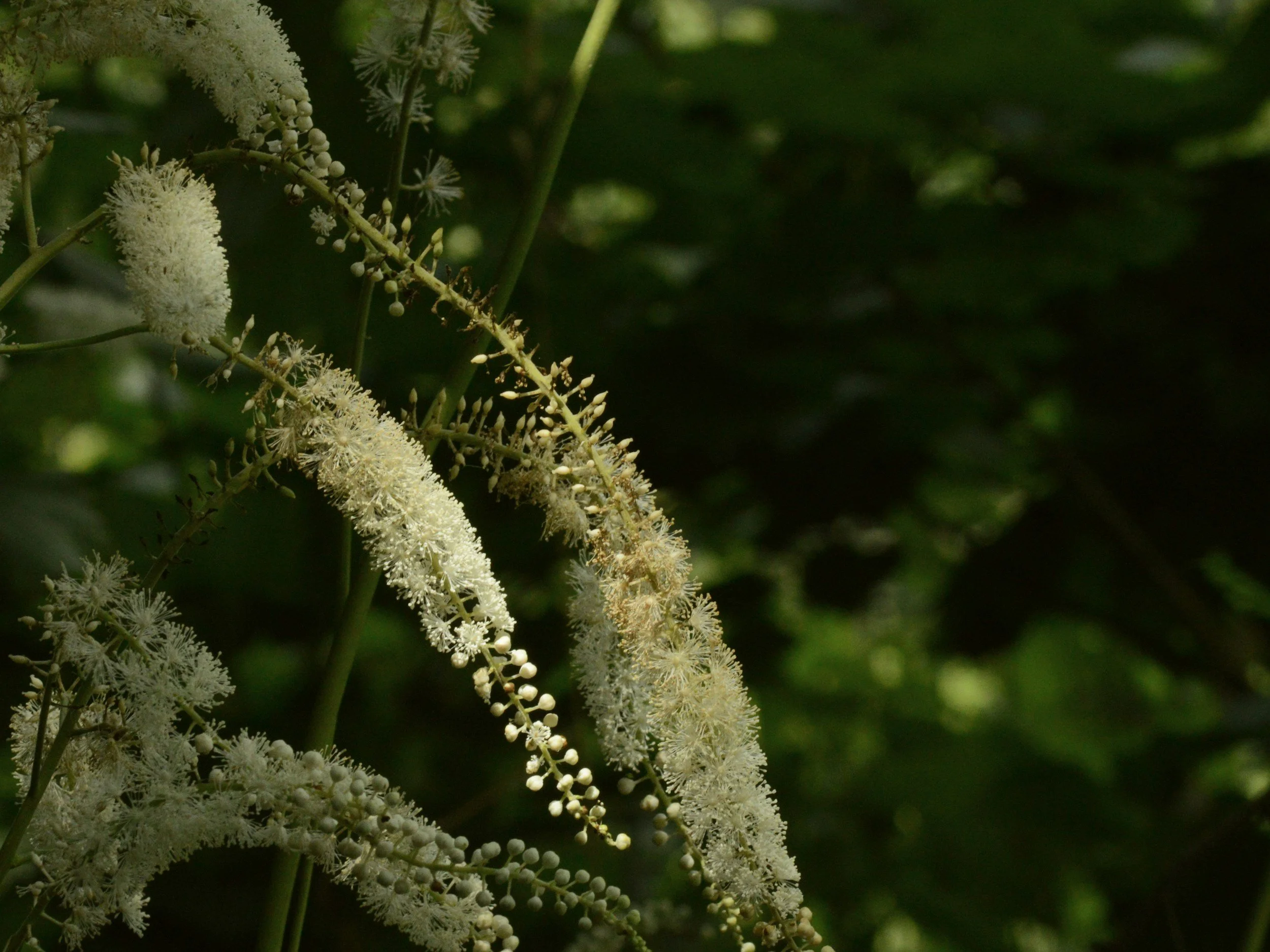
Herbs can be great allies on the path of hormone balancing.
Pictured here are the flowers of the black cohosh plant, a plant whose roots are used often to calm hot flashes.
3. Herbal Allies for Symptom Relief
Herbal medicine offers gentle, effective support, and here are some examples of herbs that might fit your picture in perimenopause:
For Early Perimenopause (estrogen dominance, heavy bleeding):
Vitex (Chaste Tree): Supports progesterone production
Shepherd's Purse, Yarrow, Red Raspberry, Mitchella : Reduce heavy menstrual bleeding
Milk Thistle, Dandelion root: Supports liver detoxification of excess estrogen
For Late Perimenopause and Menopause (low estrogen):
Black Cohosh: Reduces hot flashes and night sweats
Sage: Cooling and drying, helpful for night sweats soaking sheets
Red Clover: Gentle phytoestrogenic support and nutritive for minerals and supporting blood building
For All Phases:
Ashwagandha: Calms stress, supports adrenal health
Siberian Ginseng: gentle support for stamina
Passionflower & Lemon Balm: Promote restful sleep and ease anxiety
At our clinic, we blend custom herbal tinctures tailored to your unique symptom picture and phase of transition. There are many, many herbs that we work with and the beauty of herbal medicine is to match the remedy with the picture of your presentation on levels such as cooling, warming, drying, moisting, tonifying, relaxing…
4. Support Detoxification
Your liver is your hormone-processing powerhouse. Support it with:
Cruciferous vegetables (broccoli, kale, Brussels sprouts, cauliflower, cabbage, bok choy, mustard greens) and SPROUTS of these plants are even more rich in DIM
Liver-supportive herbs (milk thistle, dandelion root) bitter foods like romaine lettuce, bittercress, bittermelon, arugula
Adequate hydration and fiber (possibly supporting trace minerals like sea salt or electrolytes)
Reducing toxic exposures (plastics, conventional beauty products, pesticides)
5. Move Your Body—Gently and Consistently
Exercise supports hormone balance, bone density, mood, and metabolism. Aim for:
Strength training 2-3x/week (protects muscle and bone)
Walking or gentle cardio most days
Yoga or stretching for stress relief and flexibility
Avoid over-exercising, which can spike cortisol and worsen symptoms.

Sleep is integral to stress management
Getting nightly deep, restorative sleep is crucial for maintaining function of adrenal glands, proper cortisol metabolism. The adrenals take over the role of sex hormone production once menopause has occured so it is very important to be good to your adrenals!
6. Prioritize Sleep and Stress Management
Sleep disturbances are one of the most common—and most disruptive—symptoms of menopause. Prioritize:
A consistent sleep schedule
A cool, dark bedroom
Magnesium before bed
Limiting screens 1-2 hours before sleep
Stress-reduction practices: meditation, breathwork, journaling, time in nature
Avoiding alcohol
Timing your meals
The Emotional and Spiritual Dimension
Menopause isn't just a physical transition—it's an emotional and spiritual one. Many women describe feeling a pull to reassess priorities, set boundaries, and reconnect with their authentic selves.
This is a time to:
Honor your needs without guilt
Release what no longer serves you
Cultivate deeper self-compassion
Embrace your wisdom and power
Connect to the ancestral mother lineage you come from and feel supported
You're not losing your youth—you're gaining clarity, sovereignty, and a deeper connection to yourself.
You Don't Have to Do This Alone
At Qualicum Beach Naturopathic Clinic, we specialize in supporting women through perimenopause and menopause with a root-cause, integrative approach. We combine advanced lab testing (including nutrient panels and genetic testing), bioidentical hormones, herbal medicine, personalized nutrition, and mind-body strategies to help you feel like yourself again—or even better.
And if you're looking for community, education, and ongoing support, the Radiant Woman Collective is designed for women like you. This 12-week program offers practical tools, live guidance, and a supportive sisterhood to help you navigate this transition with confidence and grace.