Supporting Your Skin’s Natural Healing from the Inside Out: Considerations for Microneedling and Holistic care.
Healthy skin is more than what we see in the mirror. It is a living, dynamic organ that reflects many aspects of our overall health which includes nutrition, hormones, circulation, inflammation, stress, sleep, and environmental exposures.
While topical skincare can support the skin from the outside, treatments such as microneedling work by stimulating the skin's own natural repair and regenerative processes.
From a naturopathic perspective, microneedling can be viewed as one piece of a larger approach to skin health: stimulate the skin externally while providing the body with the nutrients and conditions it needs to repair and regenerate internally.
What Is Microneedling?
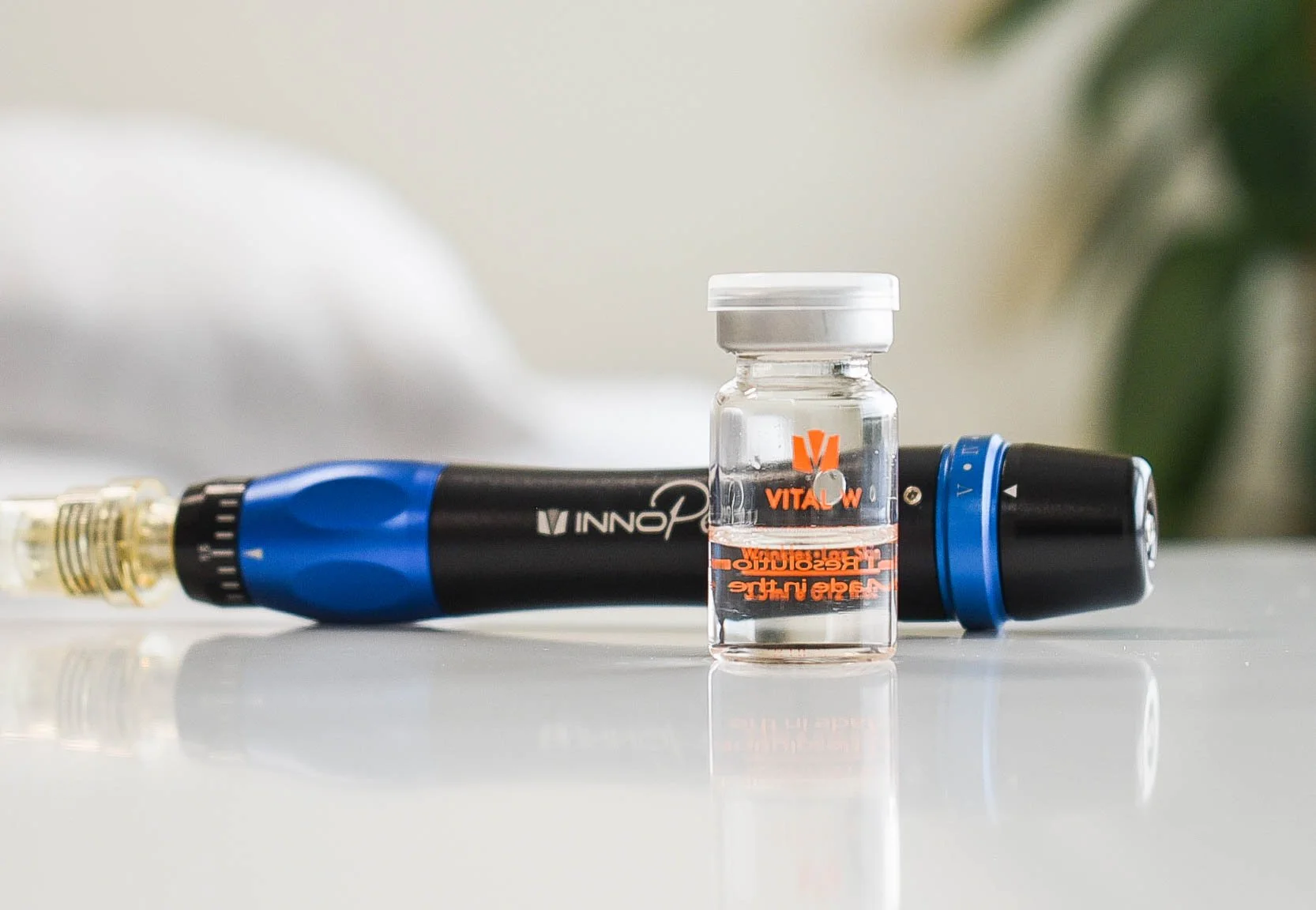
Microneedling, can also be called collagen induction therapy, uses a device with very fine needles to create controlled micro-injuries in the skin.
These microscopic injuries stimulate the body's natural wound-healing response. This activates fibroblasts and other cells involved in tissue repair and encourages the production and remodeling of collagen and other components of the extracellular matrix.
Over time, this can help improve:
Fine lines and wrinkles
Under-eye bags
Skin texture
Acne scarring
Stretch marks
Dark spots
Appearance of enlarged pores
Skin firmness and elasticity
Overall skin smoothness and radiance
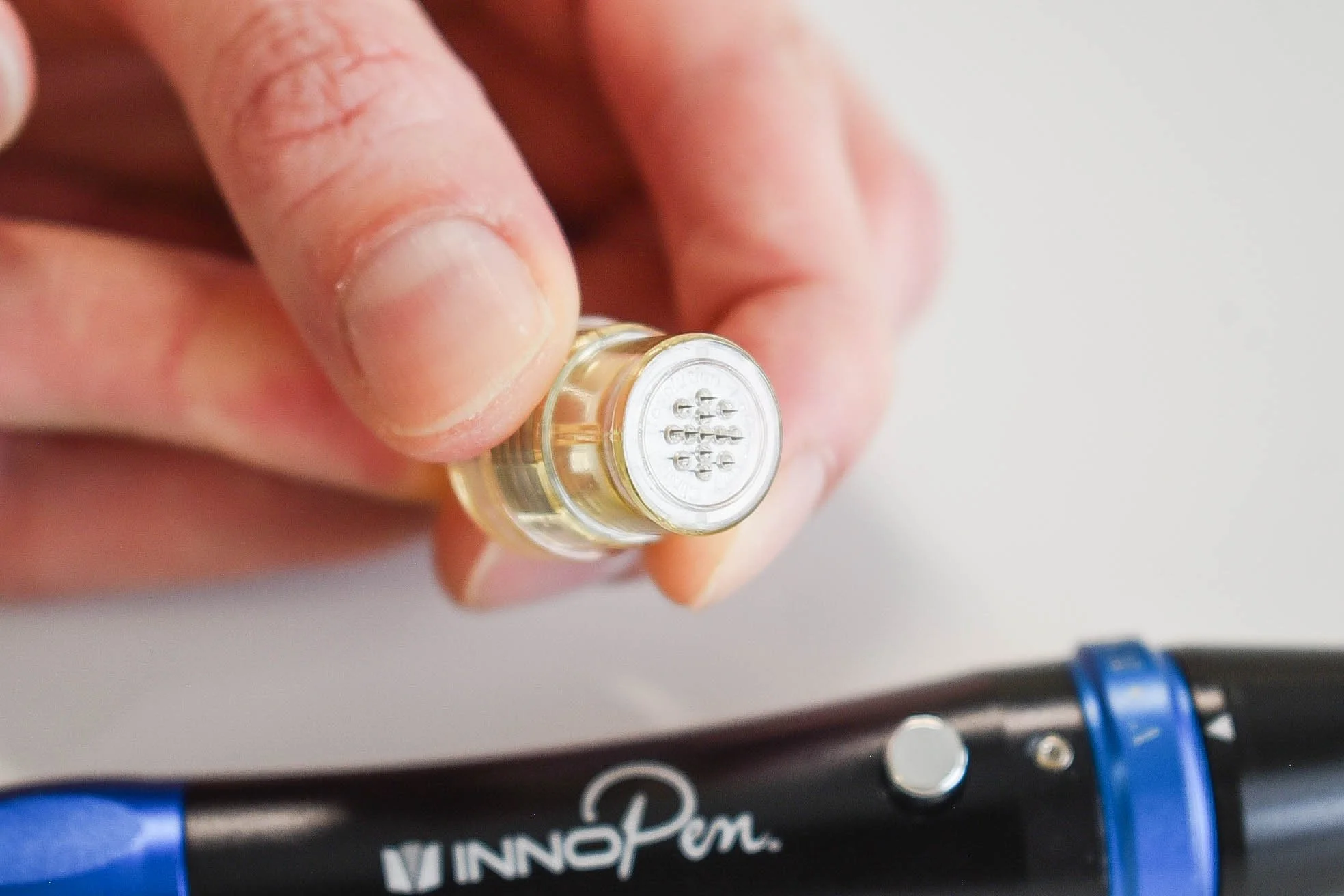
Microneedling creates a controlled signal for the skin to initiate repair.
The Science Behind Collagen Production
Collagen is one of the primary structural proteins in our skin. It provides strength, structure, and support while contributing to skin firmness and elasticity. As we age, collagen production gradually declines. Factors such as ultraviolet radiation, poor nutrition, hormones, and oxidative stress can also contribute to collagen degradation and changes in skin quality.
The healing response involves several overlapping phases:
1. Controlled Inflammation
Immediately following microneedling, the body recognizes the micro-injuries and initiates an inflammatory healing response. Inflammation isn't inherently harmful. In the appropriate context, it is an essential part of tissue repair. The goal is to create a controlled and temporary inflammatory signal rather than prolonged, excessive inflammation.
2. Tissue Repair
Growth factors and signaling molecules help coordinate the repair process. Fibroblasts become more active and begin producing collagen and other extracellular matrix components.
3. Collagen Remodeling
The newly formed collagen is gradually reorganized and remodeled.
This process takes time, which is why the benefits of microneedling aren't necessarily immediate. Improvements in skin texture and firmness may continue to develop for weeks to months following treatment.
Inflammation: Helpful in the Right Context
Inflammation has become a popular topic in health and wellness, but it is important to distinguish between acute, purposeful inflammation and chronic, unresolved inflammation. Microneedling intentionally creates a localized healing response which stimulates the inflammatory response. This is different from the chronic systemic inflammation associated with ongoing metabolic stress, poor sleep, smoking, or other health factors. A naturopathic approach therefore considers the individual's overall inflammatory burden and the many factors that affect the body’s ability to recover.
Factors that can support healthy recovery include:
Adequate sleep
Good nutrition and digestion
Regular movement
Stress management
Limiting toxin exposure
Supporting detoxification
Sun protection
Skin Health Begins from Within
A naturopathic approach recognizes that the skin doesn't exist in isolation. Your body needs adequate nutrients to build collagen, maintain the skin barrier, regulate inflammation, and repair damaged tissue.
This requires:
Adequate protein intake
A diet rich in colorful plants
Omega-3 rich foods
Adequate zinc and copper intake
Protein
Collagen is a protein, so adequate dietary protein provides the amino acids needed for tissue repair. Important amino acids involved in collagen formation include glycine, proline, and hydroxyproline.
Vitamin C
Vitamin C is an essential cofactor for collagen synthesis and also functions as an antioxidant. Good food sources include: Bell peppers, Citrus fruits, Kiwi, Strawberries, Broccoli, Brussels sprouts
Omega-3s
The essential omega-3 fatty acids EPA and DHA are incorporated into cell membranes and play an important role in cell signaling and the regulation of inflammatory pathways. They also contribute to the structure and function of the skin barrier. Because microneedling intentionally stimulates a localized healing response, supporting healthy inflammatory regulation may be an important part of overall recovery and skin health.
Good dietary sources of omega-3s include: Wild salmon, Sardines, Mackerel, Anchovies, Trout, Chia seeds, Ground flaxseed, Walnuts
Zinc and Copper
Zinc is involved in numerous processes related to skin integrity, immune function, and wound healing. Whereas copper is involved in connective tissue formation and collagen and elastin cross-linking.
Food sources include: Shellfish, Nuts and seeds, Legumes, Meat
Hormones and Skin Aging
Hormonal changes can also influence skin. Declining estrogen during perimenopause and menopause, for example, is associated with changes in skin thickness, hydration, elasticity, and collagen. This is one reason why the same skincare routine may not produce the same results at every stage of life. For some people, skin concerns—particularly acne—can be closely connected to hormonal changes. Hormones such as androgens can influence sebaceous gland activity and sebum production. Increased sebum, changes in follicular cell turnover, inflammation, and changes in the skin microbiome can all contribute to the development of acne.
Microneedling is not generally intended to treat actively inflamed or infected acne. Introducing additional skin trauma into areas with active inflammatory lesions may worsen irritation and is generally something that should be avoided until the acne is appropriately controlled. Once active acne has settled, however, microneedling may be considered as part of a treatment plan for certain types of atrophic acne scars and uneven skin texture. For individuals experiencing significant hormonal changes, it can be helpful to look beyond the skin itself and consider the broader picture—including nutrition, sleep, stress, metabolic and gut health.
Microneedling Isn't a Replacement for Healthy Skin Foundations, microneedling can be a valuable tool, but it doesn't replace the fundamentals.
Foundations are: Nutrition, Sleep, Hydration, Stress management, Movement
Internal support examples are to support foundations are Protein, essential nutrients, healthy blood sugar regulation, hormonal and metabolic health
And it is still important to use external protection such as sun protection, gentle skincare, and promotion of healthy skin barrier
What Can You Expect from Microneedling?
Immediately after treatment, temporary redness, warmth, tightness, and mild swelling are common. Some individuals may experience dryness or peeling as the skin heals. The visible changes associated with collagen remodeling develop gradually. A series of treatments may be recommended depending on the individual's goals, skin condition, and response to treatment.
A Whole-Person Approach to Skin Health
Beautiful skin isn't simply about reducing wrinkles or improving texture. Healthy skin is well-nourished, resilient, appropriately hydrated, protected from environmental damage, and capable of repairing itself. Microneedling provides a controlled stimulus to encourage the skin's natural regenerative response. Nutrition, lifestyle, and appropriate skincare provide the foundation that supports that process. From a naturopathic perspective, the goal isn't simply to treat the surface.
It's to support the skin and the person it belongs to from the inside out.
If you're considering microneedling, an individualized consultation can help determine whether it's appropriate for your skin and how it can fit into a broader approach to skin health.